

5 Things No One Tells You About Africa Safari

Discover hidden truths about African safari experiences beyond game drives. Learn how safari guides, seasonal weather, all-inclusive costs, luxury accommodation, and diverse wildlife viewing activities

Anderson
4 Mins Read
5 Things No One Tells You About Africa Safari

Planning an Africa safari is exciting, but there's so much more to this incredible experience than what you see in brochures and social media posts. While everyone talks about the Big Five and spectacular sunsets, there are essential insights that can transform your safari from good to extraordinary. Here are five things no one tells you about Africa safari adventures that will help you prepare for the journey of a lifetime.

1. Safari Isn't Just About Game Drives

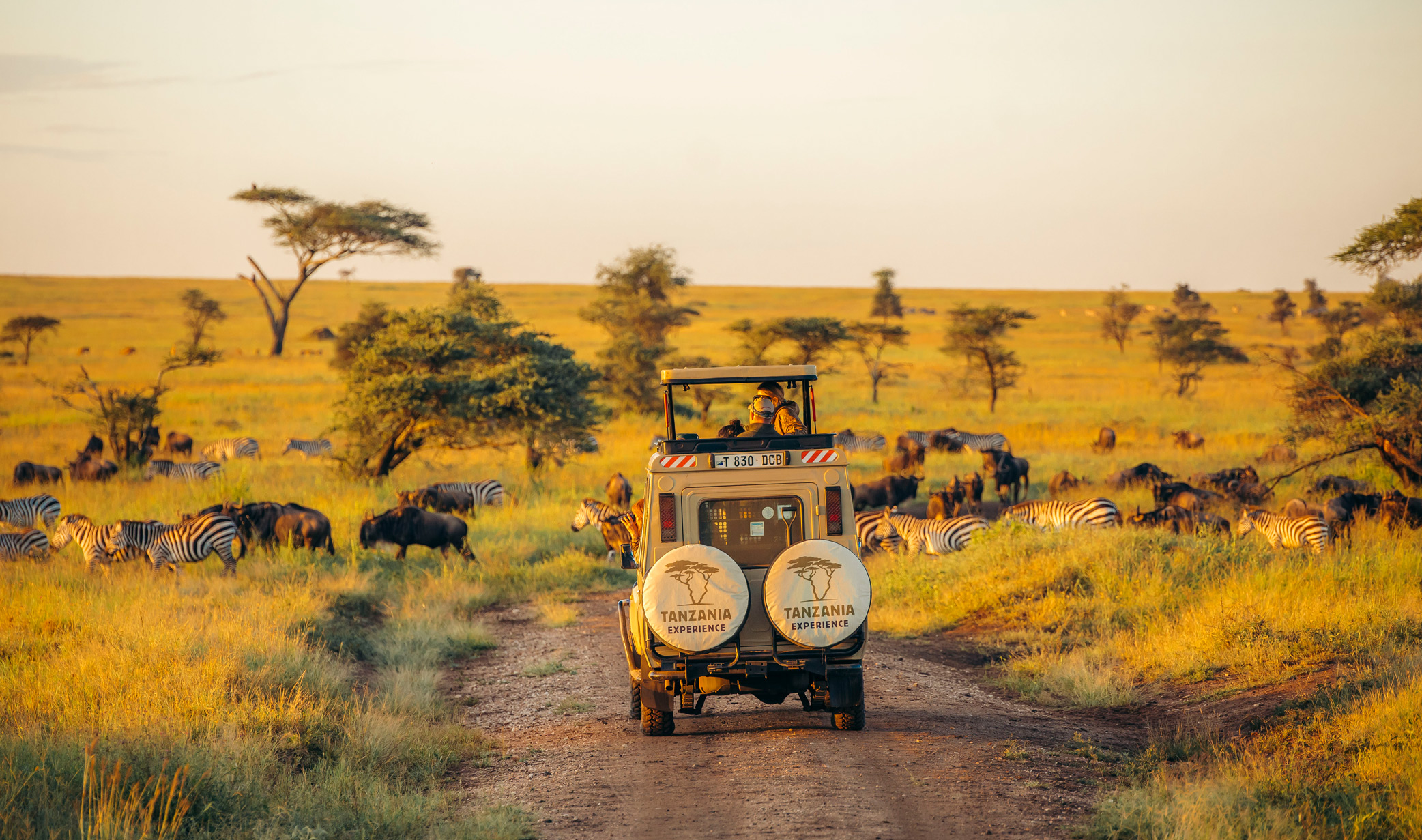
When most people think about an African safari, they picture bouncing along dusty roads in a 4x4 vehicle, scanning the horizon for lions and elephants. While traditional game drives are absolutely magical, they're just one piece of the safari experience puzzle.

Beyond the Vehicle: Alternative Safari Experiences

The best safari destinations offer diverse ways to connect with African wilderness:

Walking safaris provide an intimate perspective that vehicles simply cannot match. With an armed guide leading the way, you'll track animals on foot, learning to read paw prints, identify bird calls, and understand the intricate ecosystem from ground level. The adrenaline rush of being on the same level as wildlife creates memories that outlast any photograph.

Boat safaris along rivers like the Chobe in Botswana or Zambezi in Zimbabwe offer unique wildlife viewing opportunities. Hippos, crocodiles, and elephants gather at water sources, and you'll witness behaviors impossible to see from land. The sunset cruises, in particular, provide spectacular photographic opportunities with golden light reflecting off the water.

Hot air balloon safaris deliver a bird's-eye view of the savannah, with the silence broken only by the occasional roar of the burner. Floating above herds of wildebeest or watching predators stalk their prey from above offers a completely different perspective on the African landscape.

Night drives reveal the nocturnal side of African wildlife. Many of the continent's most fascinating creatures, including leopards, hyenas, aardvarks, and bush babies, only become active after dark. The experience of spotting eyes reflecting in your guide's spotlight is thrilling and adds another dimension to your safari adventure.

2. The Weather Dramatically Affects Your Experience (And It's Not What You Expect)

Many first-time safari travelers assume Africa is always hot and sunny. This misconception can lead to uncomfortable surprises and missed opportunities.

Seasonal Variations Matter More Than You Think

African safari destinations experience dramatic seasonal changes that impact everything from wildlife viewing to your packing list:

The dry season (typically winter months, June through October in East and Southern Africa) is considered prime safari time for good reason. Animals congregate around limited water sources, making them easier to spot. The sparse vegetation offers better visibility, and cooler temperatures mean more active wildlife throughout the day. However, this is also peak tourist season, so expect higher prices and busier lodges.

The wet season (summer months, November through April) transforms the landscape into a lush paradise. This period offers incredible advantages that savvy travelers appreciate. Bird watching reaches its peak as migratory species arrive, and many animals give birth during this time, meaning adorable baby animals everywhere. The dramatic storm clouds create spectacular photographic conditions, and prices drop significantly. Yes, some roads may become impassable, and vegetation is thicker, but the trade-offs often favor adventurous travelers.

Temperature Extremes You Need to Prepare For

Morning game drives during winter can be surprisingly cold, especially in open vehicles traveling at speed. Temperatures can drop to near freezing before dawn in places like South Africa's Kruger National Park or Tanzania's Serengeti. Layering is essential, as temperatures soar once the sun rises. Pack thermal layers, warm jackets, and even gloves for those early morning drives, then be ready to strip down to t-shirts by mid-morning.

3. Your Safari Guide Makes or Breaks Your Experience

The difference between an average safari and an unforgettable one often comes down to one person: your guide. This is something safari companies rarely emphasize, yet it's perhaps the most crucial factor in your experience.

What Exceptional Guides Bring to Your Safari

An experienced guide is far more than a driver who knows where animals hang out. The best guides are naturalists, storytellers, trackers, and educators rolled into one. They can identify hundreds of bird species by call alone, read subtle signs in the sand that reveal recent animal activity, and explain complex ecological relationships in accessible ways.

Local guides possess generational knowledge passed down through families who have lived alongside wildlife for centuries. They understand animal behavior at an intuitive level, often predicting what will happen next based on subtle cues invisible to untrained eyes. They also share cultural perspectives and traditional stories that connect wildlife viewing to the human communities who share these landscapes.

How to Ensure You Get a Great Guide

When booking your safari, don't hesitate to ask about guide qualifications. Look for certified guides with professional training from recognized institutions. Many camps and lodges have specific guides assigned to their properties, and it's worth researching reviews that mention guides by name.

In some destinations, particularly Tanzania and Kenya, you can request specific guides if you're booking a private safari. This option costs more but virtually guarantees exceptional experiences. Consider it an investment in the quality of your entire trip.

4. Safari Costs Include Things You'd Never Expect

The sticker shock of safari pricing confuses many travelers, especially when comparing it to other international vacations. Understanding what's included in those prices reveals why African safaris represent genuine value, despite appearing expensive.

All-Inclusive Really Means All-Inclusive

Unlike many resort experiences where "all-inclusive" excludes premium drinks and activities, safari lodges truly include almost everything. Your accommodation typically covers:

  • All meals, from early morning coffee before dawn drives to multi-course dinners
  • Unlimited local drinks, including beer, wine, and spirits at most mid-range to luxury properties
  • All game drives and activities, often twice daily
  • Park entrance fees, which can be substantial (up to $80 per person per day in some parks)
  • Professional guide services
  • Laundry services at many lodges
  • Inter-camp transfers by light aircraft in some cases

When you break down the daily per-person cost to include all these elements, safari pricing becomes more reasonable. You're not paying separately for breakfast, lunch, dinner, drinks, activities, and park fees as you would at many other destinations.

Hidden Value in Conservation Contributions

Responsible safari operators contribute significant percentages of their revenue to conservation efforts and community development. Your safari dollars often directly fund anti-poaching units, wildlife research, and community programs. This added value rarely appears in marketing materials, but it's a crucial component of sustainable tourism that protects these incredible ecosystems for future generations.

5. Comfort and Luxury in the Bush Exceeds Your Imagination

Perhaps the biggest surprise for first-time safari travelers is the level of comfort available in remote wilderness areas. The stereotype of roughing it in basic tents couldn't be further from modern reality.

The Spectrum of Safari Accommodation

Safari accommodation ranges from comfortable budget camps to some of the most luxurious properties on Earth. Mid-range and luxury safari lodges offer amenities that rival five-star city hotels, despite being located in areas with no infrastructure.

Luxury tented camps feature permanent structures with proper beds, en-suite bathrooms with hot showers, electricity, and even air conditioning or heating. Many include private plunge pools, outdoor showers under the stars, and viewing decks overlooking waterholes or rivers. The canvas walls provide an authentic safari ambiance while the interiors deliver modern comfort.

Permanent safari lodges take luxury even further, with some offering spa services, fitness centers, wine cellars, and gourmet dining that would impress food critics in any major city. Properties like those in Botswana's Okavango Delta or South Africa's Sabi Sands deliver experiences where the biggest challenge is choosing between the incredible food and the spectacular wildlife viewing.

Sustainable Luxury

Many top-end safari properties lead the way in eco-tourism, operating entirely on solar power, using advanced water recycling systems, and maintaining minimal environmental footprints. This means you can enjoy luxury while knowing your presence supports conservation rather than harming it.

Making the Most of Your Safari Experience

Armed with these insider insights, you're better prepared for an African safari that exceeds expectations. The key is approaching your safari with realistic expectations, flexible plans, and openness to unexpected experiences.

Research your destination thoroughly beyond the obvious wildlife highlights. Each African country and ecosystem offers unique experiences, from Botswana's water-based safaris to Tanzania's migration spectacles, from Rwanda's mountain gorillas to Namibia's desert-adapted wildlife.

Invest in a good guide and quality operator rather than choosing solely based on price. The expertise and knowledge they provide amplifies every moment in the bush. Read recent reviews, ask questions, and don't hesitate to pay more for proven quality.

Pack appropriately for weather extremes rather than assuming it's always hot. Layers, warm clothing for early mornings, sun protection, and rain gear for wet season trips all prove essential. Neutral-colored clothing (khaki, olive, brown) helps you blend into environments and avoids attracting insects.

Embrace flexibility in your expectations and daily plans. The best safari moments are often unplanned, whether it's spending an extra hour watching a lion pride or detouring to follow fresh leopard tracks. Trust your guide's expertise and remain open to changes in the itinerary.


Share this Article


Avatar photo
Posted by: Joy Safari BaySenior Editor
Follow:
I am a nature lover with a passion for adventure and storytelling. Through my blog, I share my experiences exploring Africa's wilderness and promoting conservation efforts. With my writing and advocacy work, I hope to inspire others to explore and protect the natural world.