



The UNESCO World Heritage List continues to grow, welcoming extraordinary places that represent humanity's most significant cultural treasures and natural wonders. In 2024, UNESCO added 24 new sites to its prestigious list, bringing the total to over 1,190 heritage sites across 168 countries. These newly inscribed locations offer travelers unique opportunities to explore pristine landscapes, ancient civilizations, and cultural traditions that have shaped our world.
Whether you're a history enthusiast, nature lover, or adventure seeker, these latest UNESCO World Heritage Sites deserve a spot on your travel bucket list. Here's everything you need to know about the newest additions and why they're worth exploring.
Table of Contents
What Makes a UNESCO World Heritage Site Special?
UNESCO World Heritage Sites represent places of outstanding universal value to humanity. The designation recognizes locations with exceptional cultural, historical, scientific, or natural significance. Sites must meet strict criteria demonstrating authenticity, integrity, and adequate protection measures.
The UNESCO recognition brings international attention, increased conservation funding, and sustainable tourism development. For travelers, visiting these sites means experiencing places that tell fundamental stories about human civilization and Earth's natural evolution.
Recently Added UNESCO World Heritage Sites Worth Visiting
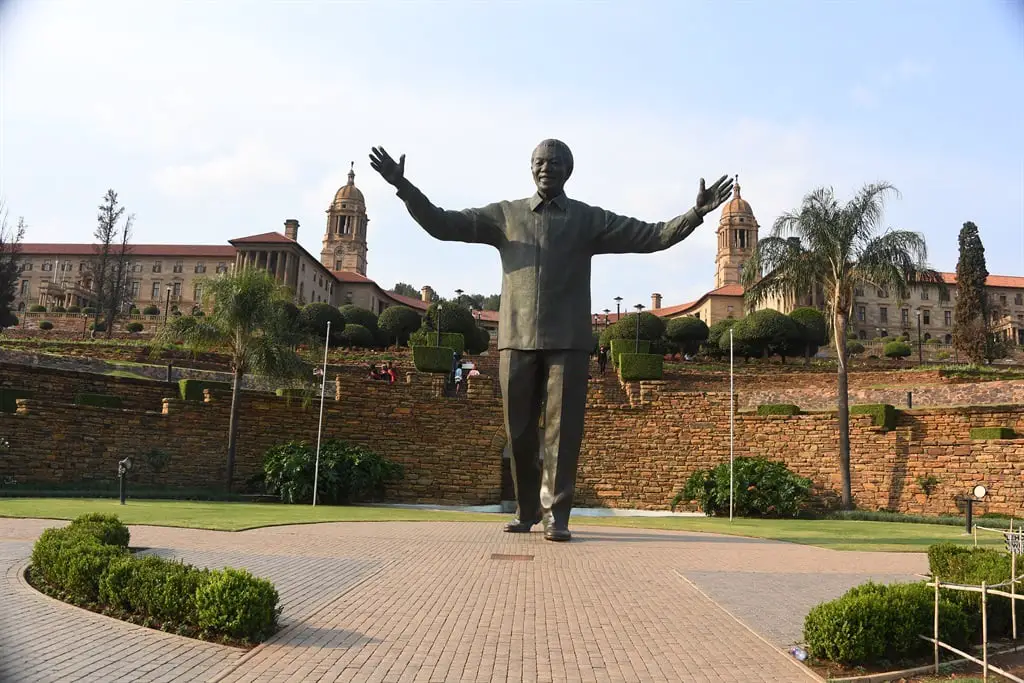
Nelson Mandela Legacy Sites, South Africa
The Nelson Mandela Legacy Sites commemorate locations central to the anti-apartheid struggle and South Africa's journey toward democracy. This serial property includes sites in Johannesburg, Pretoria, and the Eastern Cape that witnessed pivotal moments in Mandela's life and the broader liberation movement.
Why visit: These sites offer profound insights into 20th-century history and the ongoing struggle for human rights worldwide. Visitors can walk through Mandela's former prison cell, visit his childhood village, and understand the courage required to dismantle institutionalized racism.
Landscapes of Dauria, Mongolia and Russia
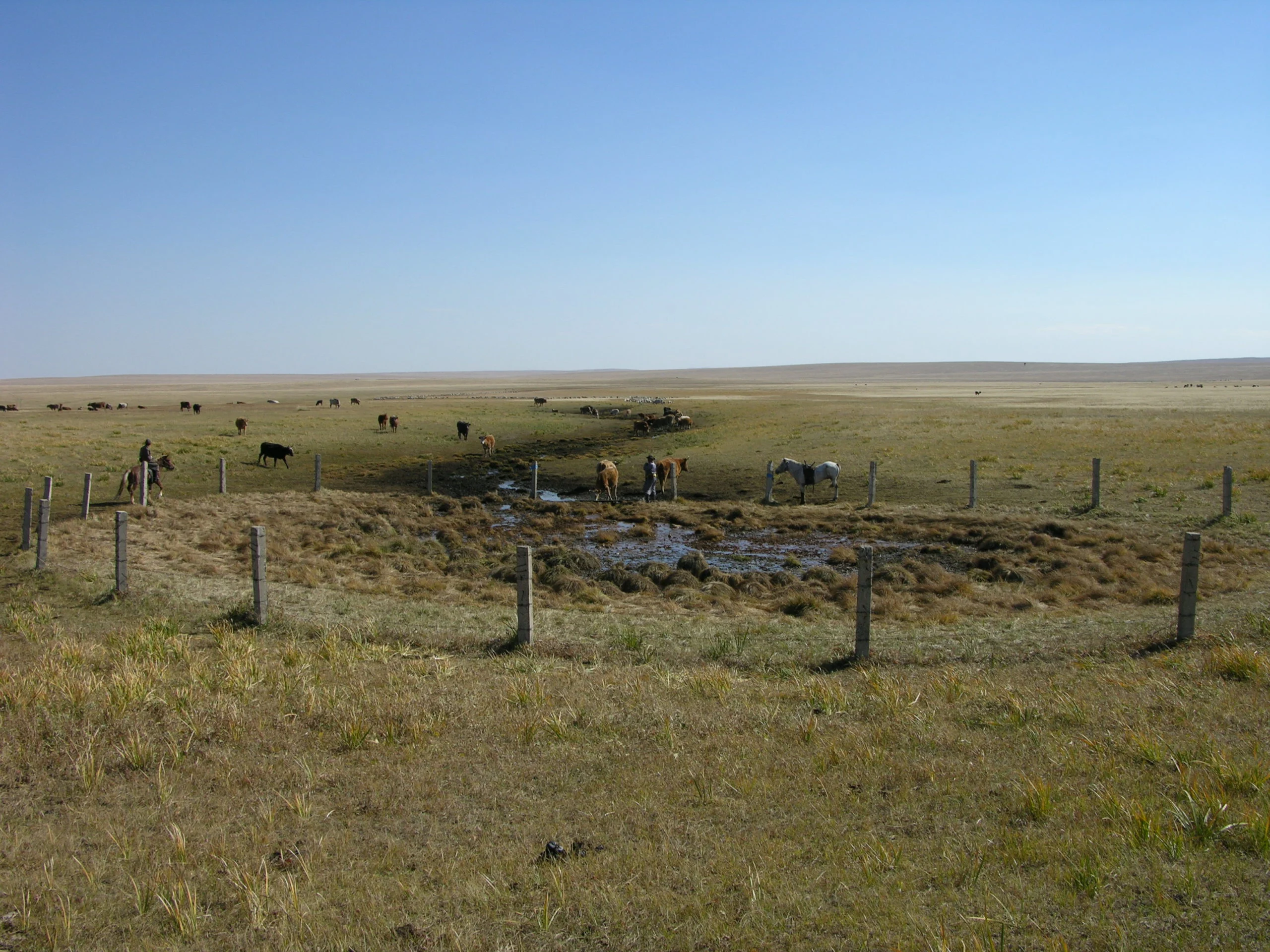
Straddling the border between Mongolia and Russia, the Landscapes of Dauria showcase the cyclical nature of the Daurian Steppe ecosystem. This transboundary site experiences dramatic climate variations that create unique biodiversity patterns supporting millions of migratory birds.
Why visit: Wildlife photographers and nature enthusiasts will find incredible opportunities to observe rare species including Mongolian gazelles, white-naped cranes, and great bustards. The vast, undulating grasslands offer a sense of untouched wilderness increasingly rare in our modern world.
Historic Centre of Guimarães, Portugal
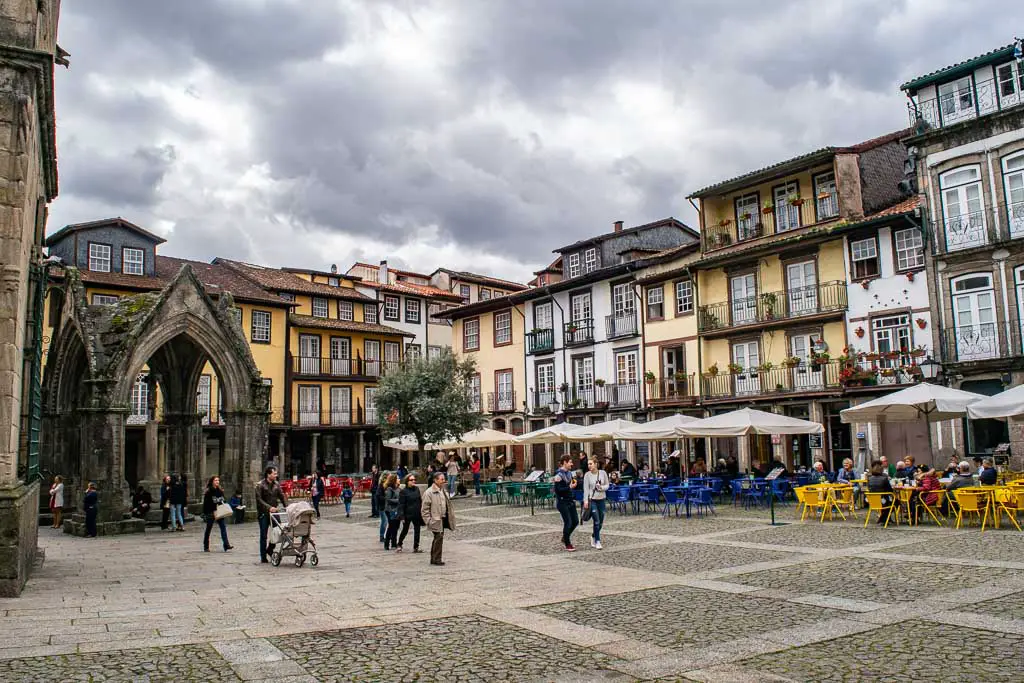
Known as the "birthplace of Portugal," Guimarães preserves remarkably authentic medieval architecture dating from the 10th to 19th centuries. The historic center demonstrates the evolution of Portuguese building techniques and urban planning that influenced architecture across the Portuguese Empire.
Why visit: Wandering Guimarães feels like stepping into a living museum. Well-preserved Gothic, Renaissance, and Baroque buildings line cobblestone streets, while traditional craftspeople still practice centuries-old trades. The city offers an intimate glimpse into Portugal's formation as a nation.
Ancient Jericho/Tell es-Sultan, Palestine
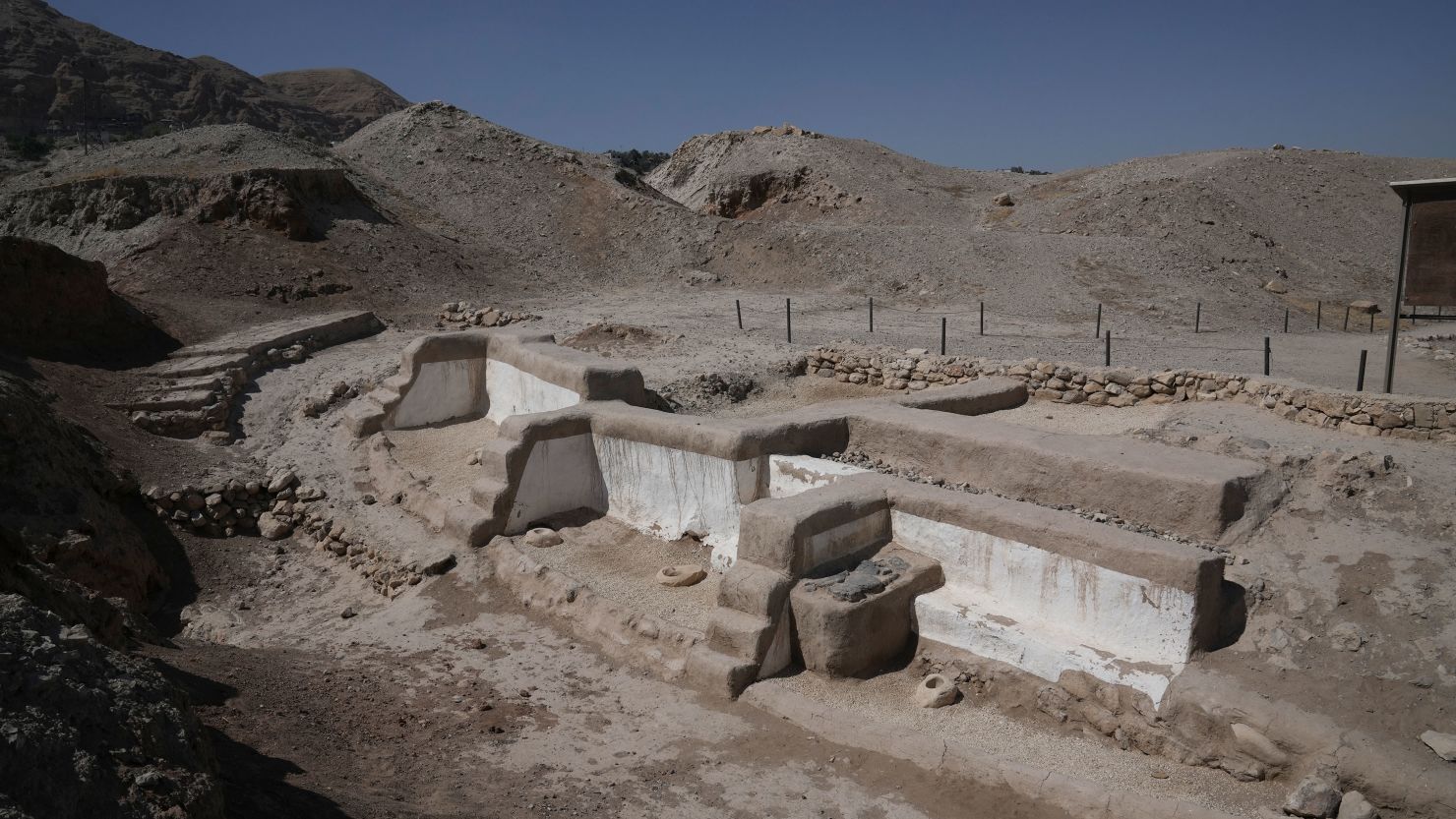
Tell es-Sultan represents one of humanity's oldest continuously inhabited settlements, with archaeological evidence spanning 10,000 years. The site contains layers of civilization including Neolithic towers, Bronze Age fortifications, and remains from various ancient cultures.
Why visit: Archaeology enthusiasts can explore tangible connections to some of the earliest examples of urban development, agriculture, and social organization. The site provides irreplaceable insights into how humans transitioned from nomadic lifestyles to settled communities.
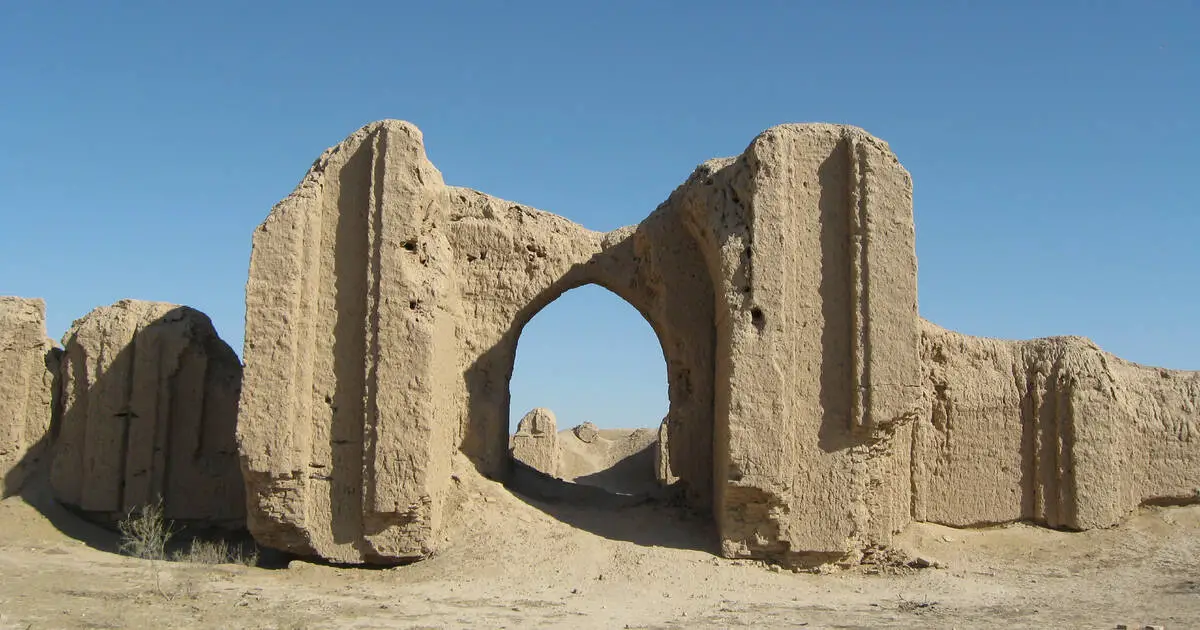
Silk Roads: Zarafshan-Karakum Corridor, Tajikistan, Turkmenistan, and Uzbekistan
This transnational site preserves sections of the historic Silk Roads trade network that connected East and West for over 1,500 years. The corridor includes ancient cities, caravanserais, fortresses, and archaeological sites that facilitated cultural and commercial exchange.
Why visit: Travelers can follow in the footsteps of merchants, pilgrims, and explorers who shaped global history. The architectural wonders, including magnificent madrasas and mausoleums, showcase the artistic achievements of Central Asian civilizations. Markets still buzz with activity reminiscent of ancient trading days.
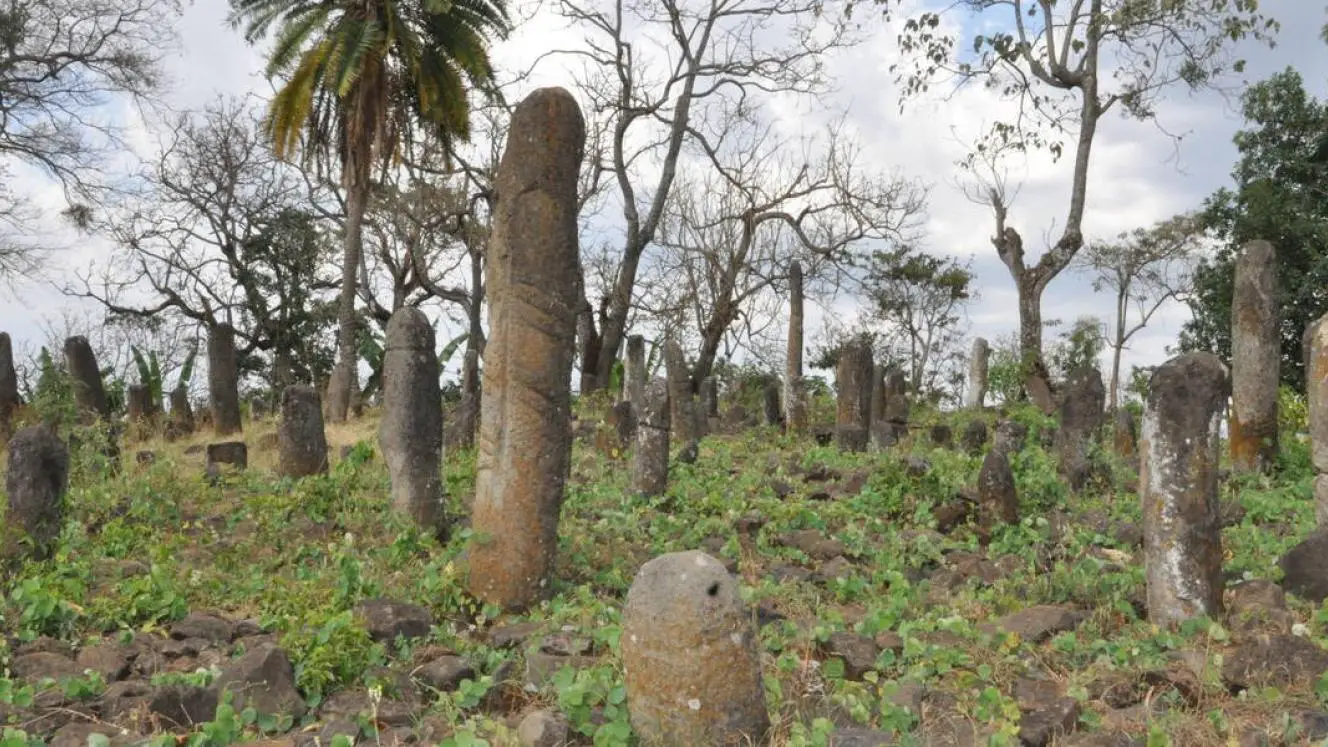
Gedeo Cultural Landscape, Ethiopia
The Gedeo Cultural Landscape demonstrates sustainable agroforestry practices perfected over generations in Ethiopia's highlands. The terraced landscape integrates enset (false banana) cultivation with coffee production and diverse tree species, creating remarkable biodiversity.
Why visit: This living cultural landscape offers insights into traditional ecological knowledge that remains relevant for contemporary sustainability challenges. Visitors can participate in coffee ceremonies, learn about indigenous agricultural techniques, and experience the warmth of Gedeo hospitality while supporting community-based tourism.
Planning Your UNESCO World Heritage Site Visit
Best Time to Travel
Research seasonal conditions for your chosen site. Many natural heritage sites showcase different features across seasons, while cultural sites may have festivals or events that enhance your experience. Weather patterns, tourist crowds, and local celebrations all affect optimal visiting times.
Sustainable Tourism Practices
UNESCO sites require careful preservation. Follow designated paths, respect local customs, avoid touching ancient structures, and choose tour operators committed to conservation. Your entrance fees directly support site maintenance and community development programs.
Combining Multiple Sites
Many UNESCO World Heritage Sites cluster in specific regions. Central Asia's Silk Road sites can be explored together on an overland journey. African heritage sites might combine with safari experiences. Planning multi-site itineraries maximizes your travel investment while deepening cultural understanding.
The Value of UNESCO World Heritage Travel
Visiting UNESCO World Heritage Sites goes beyond typical tourism. These journeys connect you with humanity's shared heritage, foster cross-cultural understanding, and support conservation efforts protecting irreplaceable treasures for future generations.
Each site tells stories about human creativity, resilience, and our relationship with the natural world. Whether you're marveling at architectural achievements, witnessing biodiversity hotspots, or learning from indigenous communities, UNESCO sites offer transformative travel experiences that expand perspectives and create lasting memories.
The latest additions to the UNESCO World Heritage List present fresh opportunities for meaningful travel. From the steppes of Mongolia to the historic streets of Portuguese towns, from ancient trade routes to sites of modern political transformation, these places invite you to explore humanity's most precious legacy.
Begin researching visa requirements, booking accommodations near your chosen sites, and connecting with local guides who can provide authentic insights. The world's newest UNESCO World Heritage Sites await your discovery, promising adventures that educate, inspire, and transform how you see our shared planet.
Start your journey to these remarkable places today and become part of the ongoing story of preserving our world's greatest treasures.